
Tiananmen
Directed by Ian MacMillan
Thirty years ago, Chinese students rose up to demand democracy and were the victims of bloody repression. Inspired by the «Tiananmen Papers», this captivating story takes us to the heart of the events of Spring 1989.
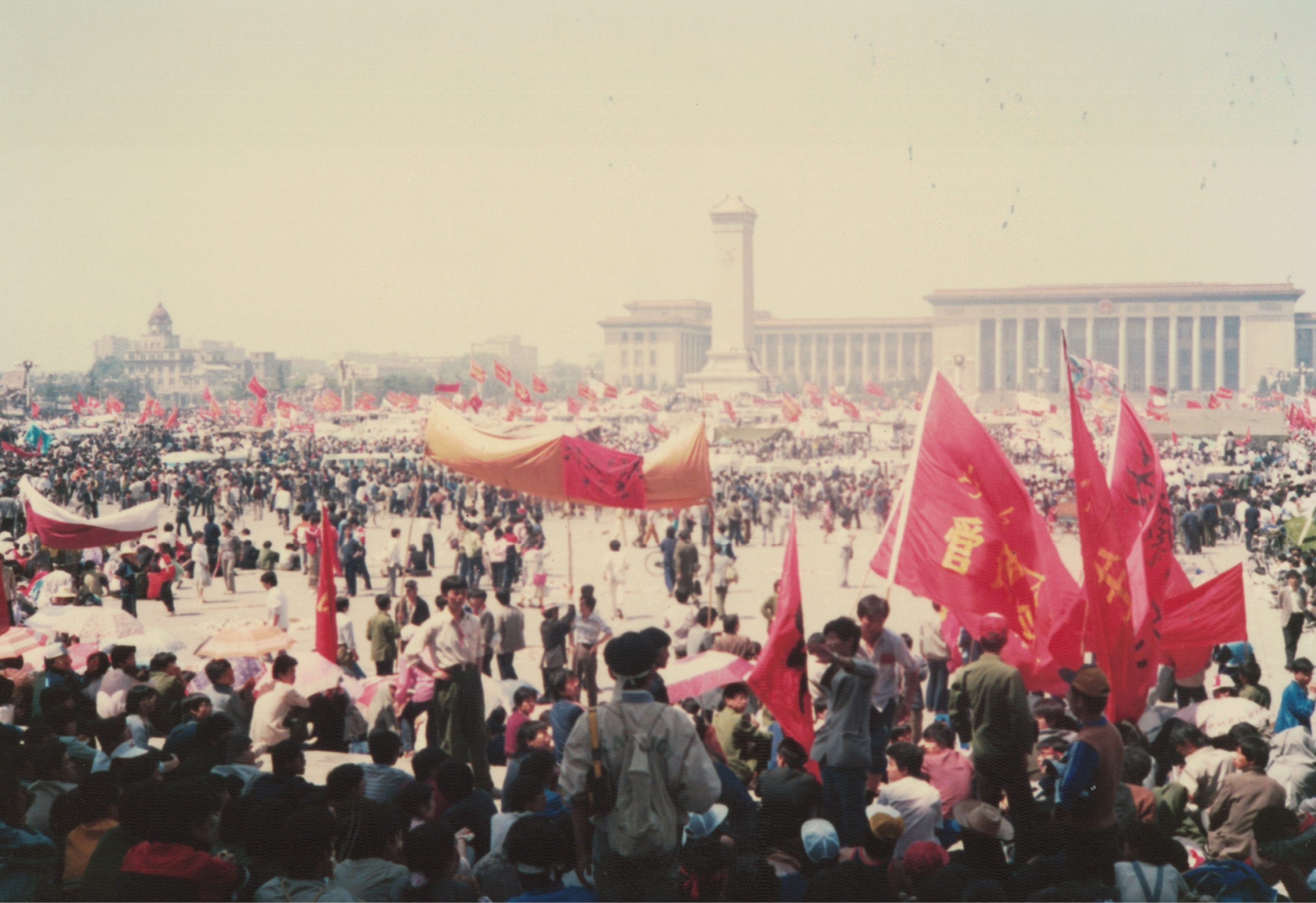
How, thirty years ago, did the Chinese Communist Party come to commit a mass crime whose exact number of victims is still unknown? Twelve years after the events, in 2001, the leak of thousands of secret documents tracing the internal struggles of Chinese power, the «Tiananmen Papers», revealed the sequence of events. Based on these exceptional documents, the film retraces the days from April to June 1989 through poignant archive footage commented on by China specialists and the former leaders of the movement themselves, most of whom are now in exile. The ghosts of the «Beijing Spring» continue to haunt them, while a totalitarian regime still rules the country.
Part 1 - The people versus the party
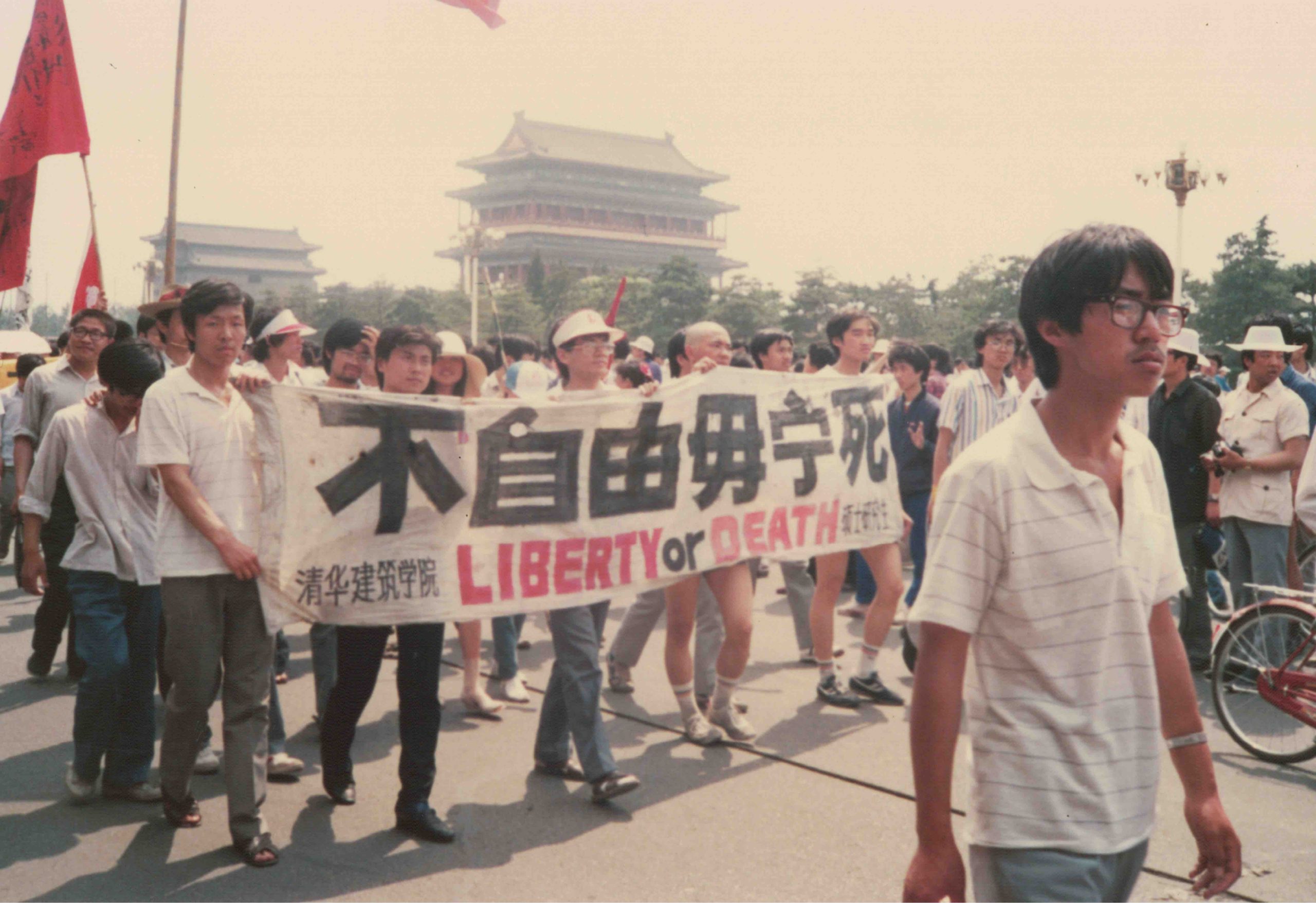
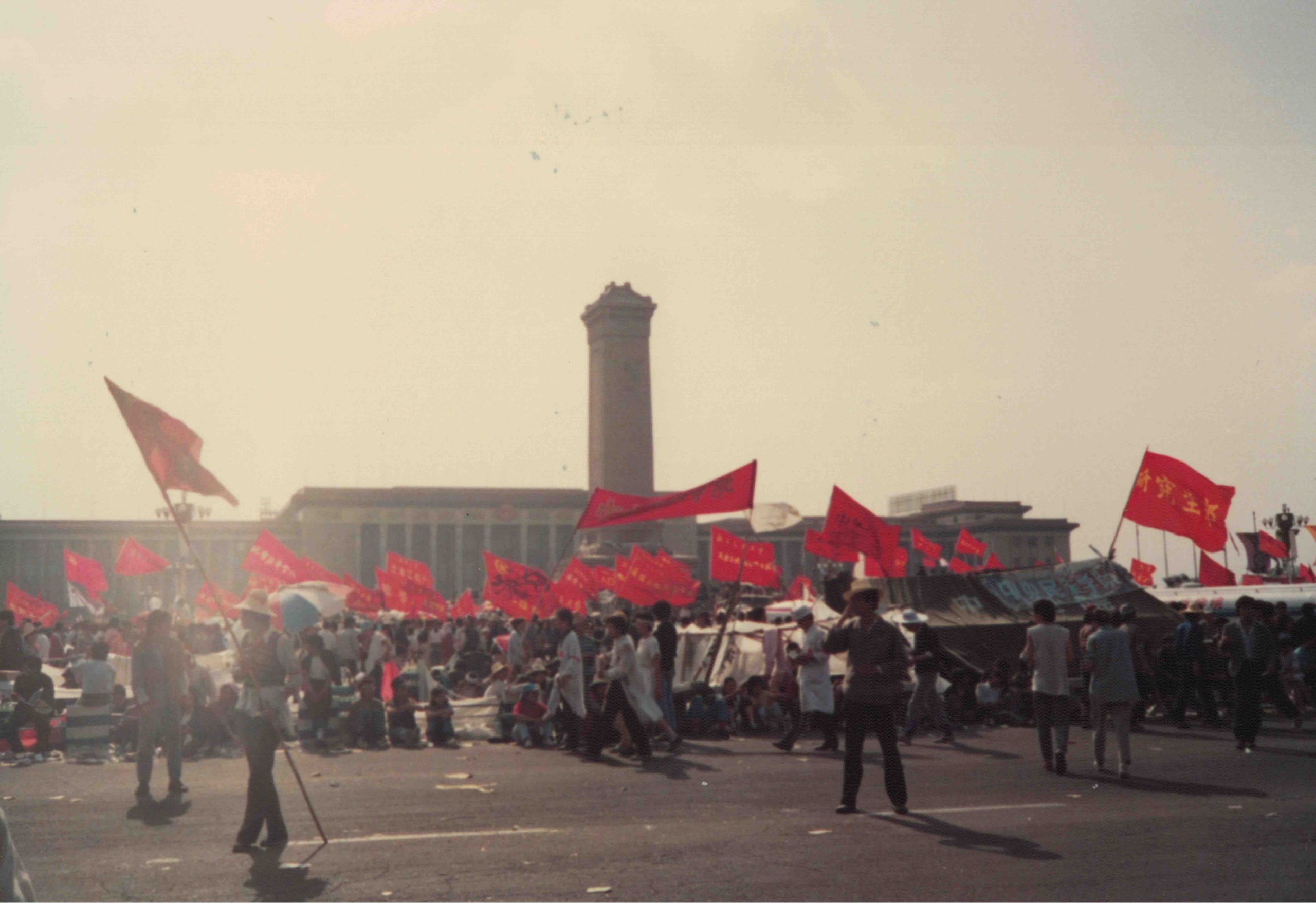
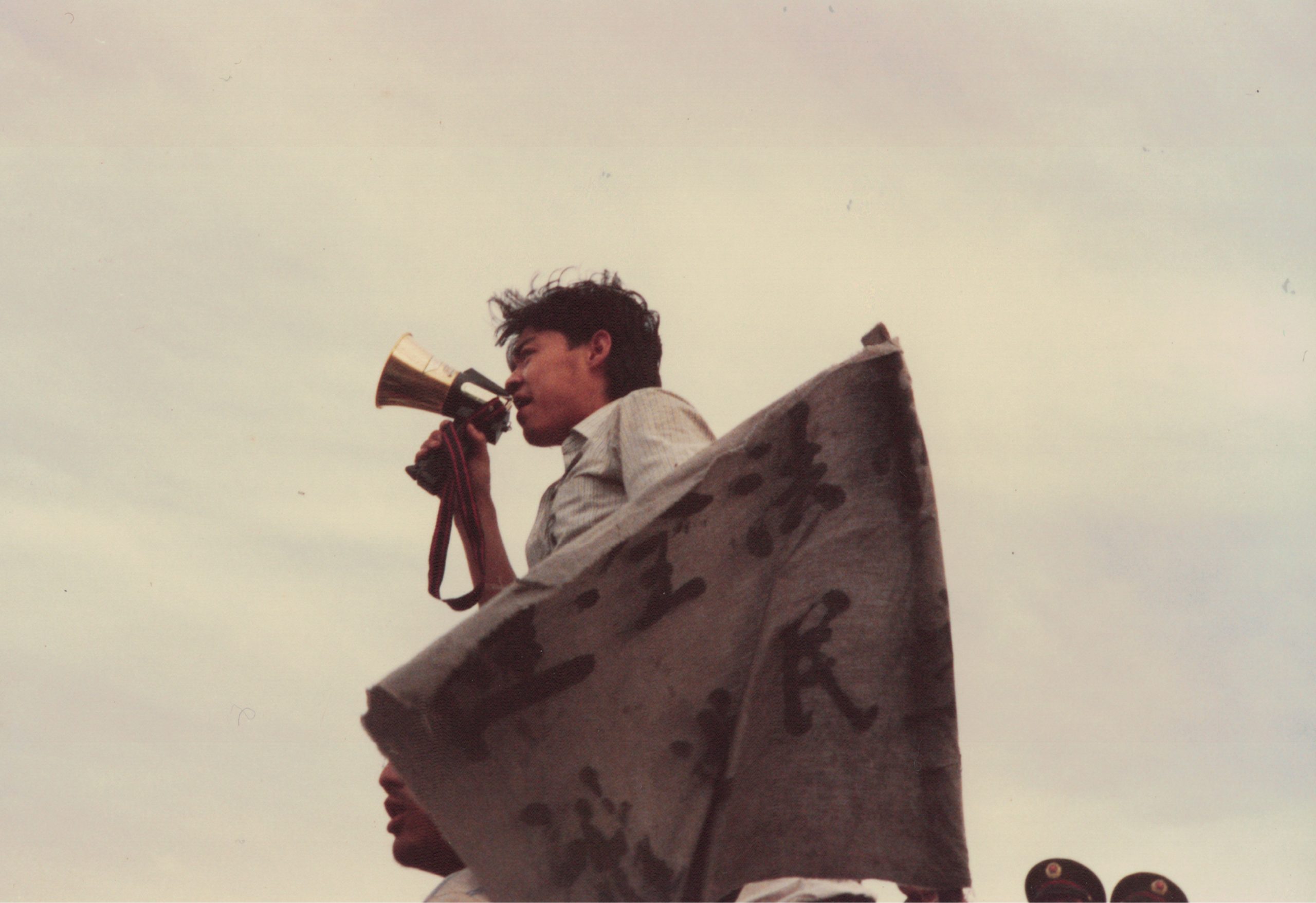
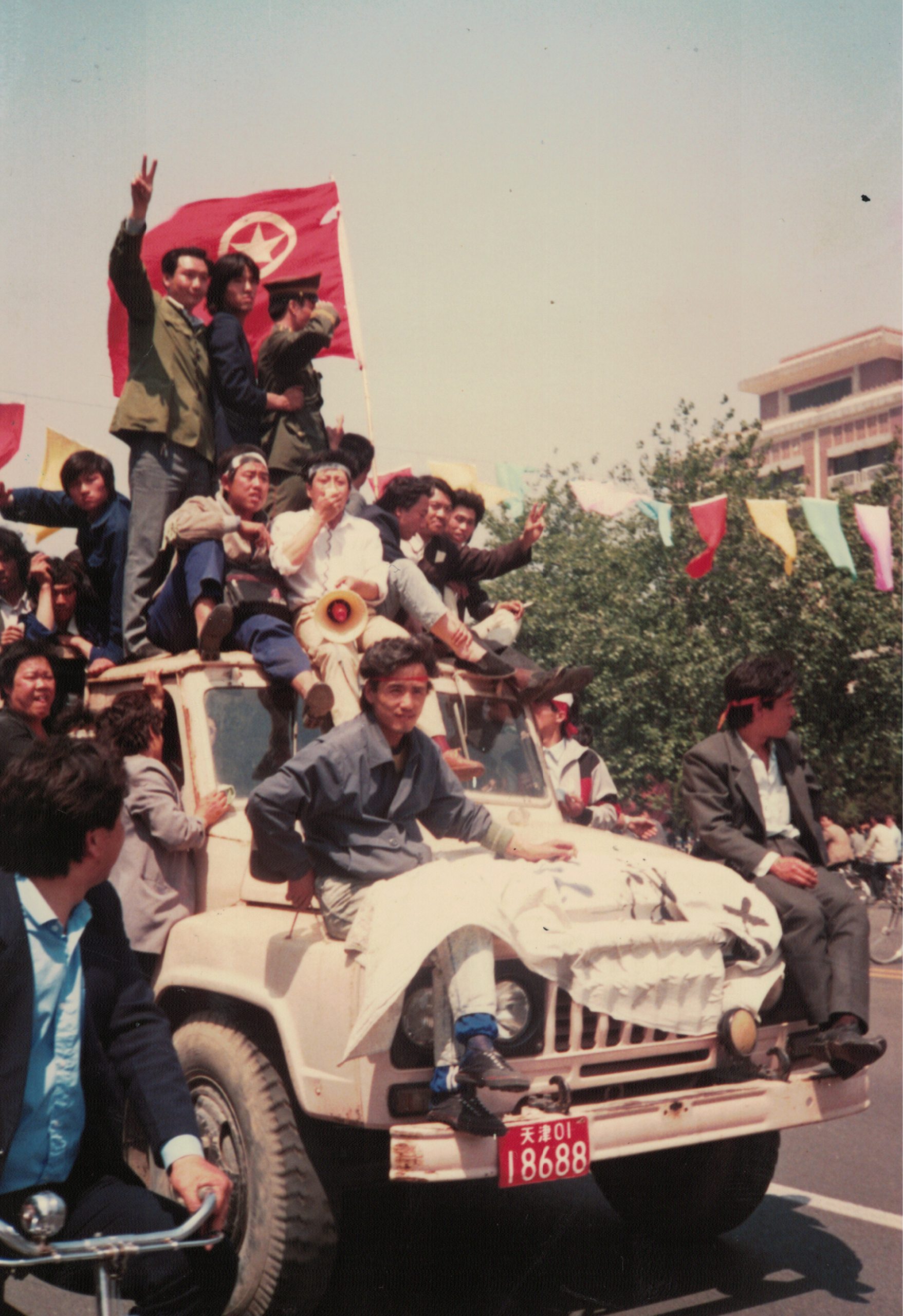
On 15 April 1989, Hu Yaobang, former General Secretary of the Chinese Communist Party, who had been dismissed from his post two years earlier following the 1986 student protests, which he had supported in their demands for democracy, died of a heart attack. Wanting to pay tribute to him, thousands of students converged on Tiananmen Square, the largest square in the world and a symbol of communist power, which for a decade had been confronted with the winds of freedom blowing through China and weakening the single-party dictatorship.The slogans called for freedom of expression and government transparency. This first episode traces the beginning of the largest democratisation movement in Chinese history and the showdown between some 200,000 demonstrators – soon supported by workers, Beijing residents and other major cities – and the government led with an iron fist by Deng Xiaoping, Party General Secretary Zhao Ziyang and Prime Minister Li Peng. On 20 May, after a sham dialogue with student leaders, martial law was declared.
Part 2 - The party versus the people
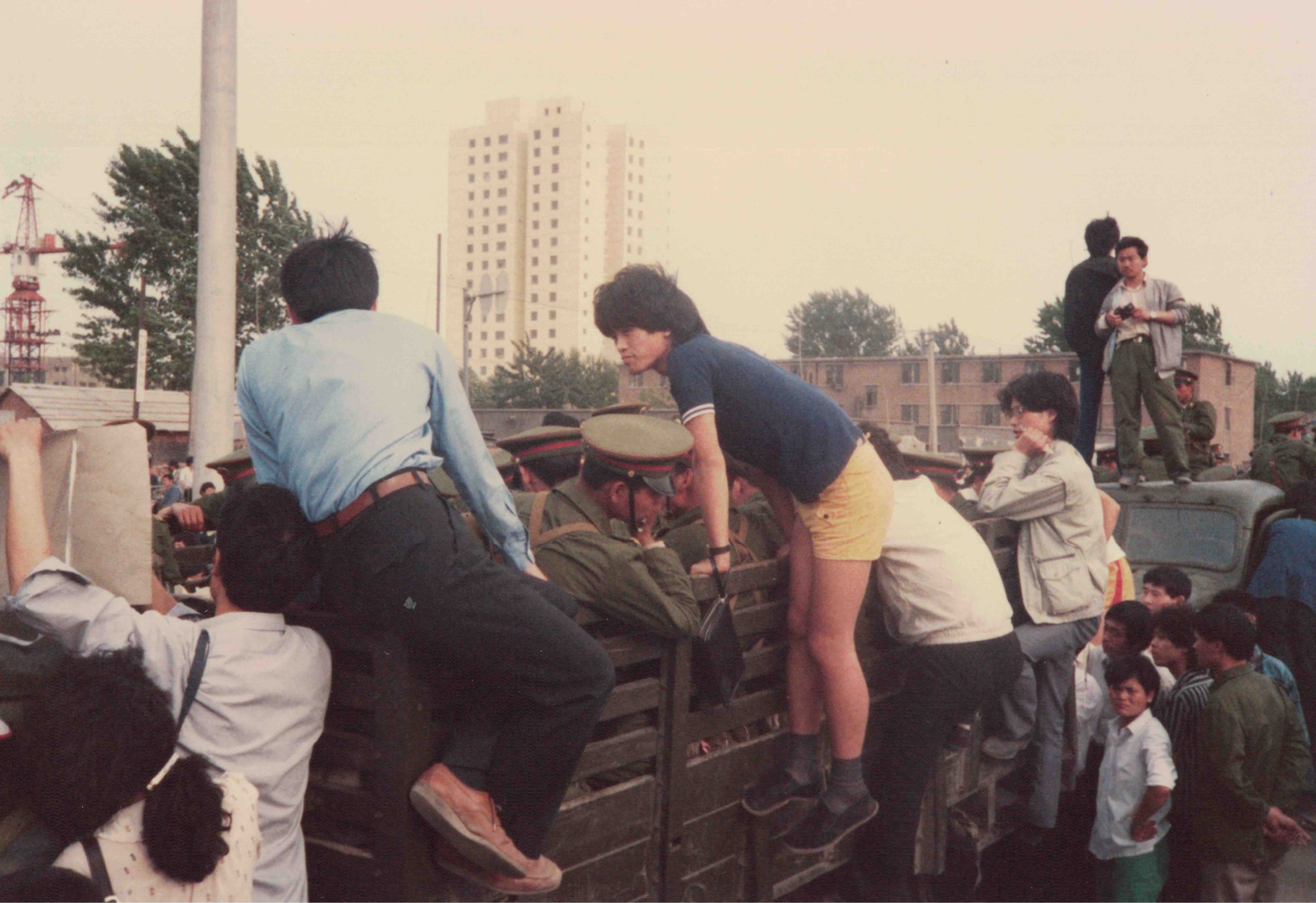
Two hundred thousand soldiers entered the capital, but were quickly stopped by the Pekingese, who fraternized with them. At the same time, dissension arose among the students, between the advocates of non-violence and the more radical. On May 27, Wang Dan, one of the leaders, sensing the imminence of tragedy, unsuccessfully urged his comrades to evacuate the square. On June 3, soldiers more subservient to the regime, who had been ordered to shoot on sight, assaulted the students. Within a few hours, the death toll ran into the thousands. The day after the massacre, the image of a lone man facing a tank was broadcast around the world, while a gigantic apparatus of repression was deployed throughout the country.
Directed by: Ian MacMillan
Writing: Audrey Maurion and Ian MacMillan
Production: YAMI 2 - Christophe Nick and ALLEYCATS FILMS - Ed Stobart
Broadcaster: ARTE and PBS
Year of release: 2019
Duration: 2 x 57 min
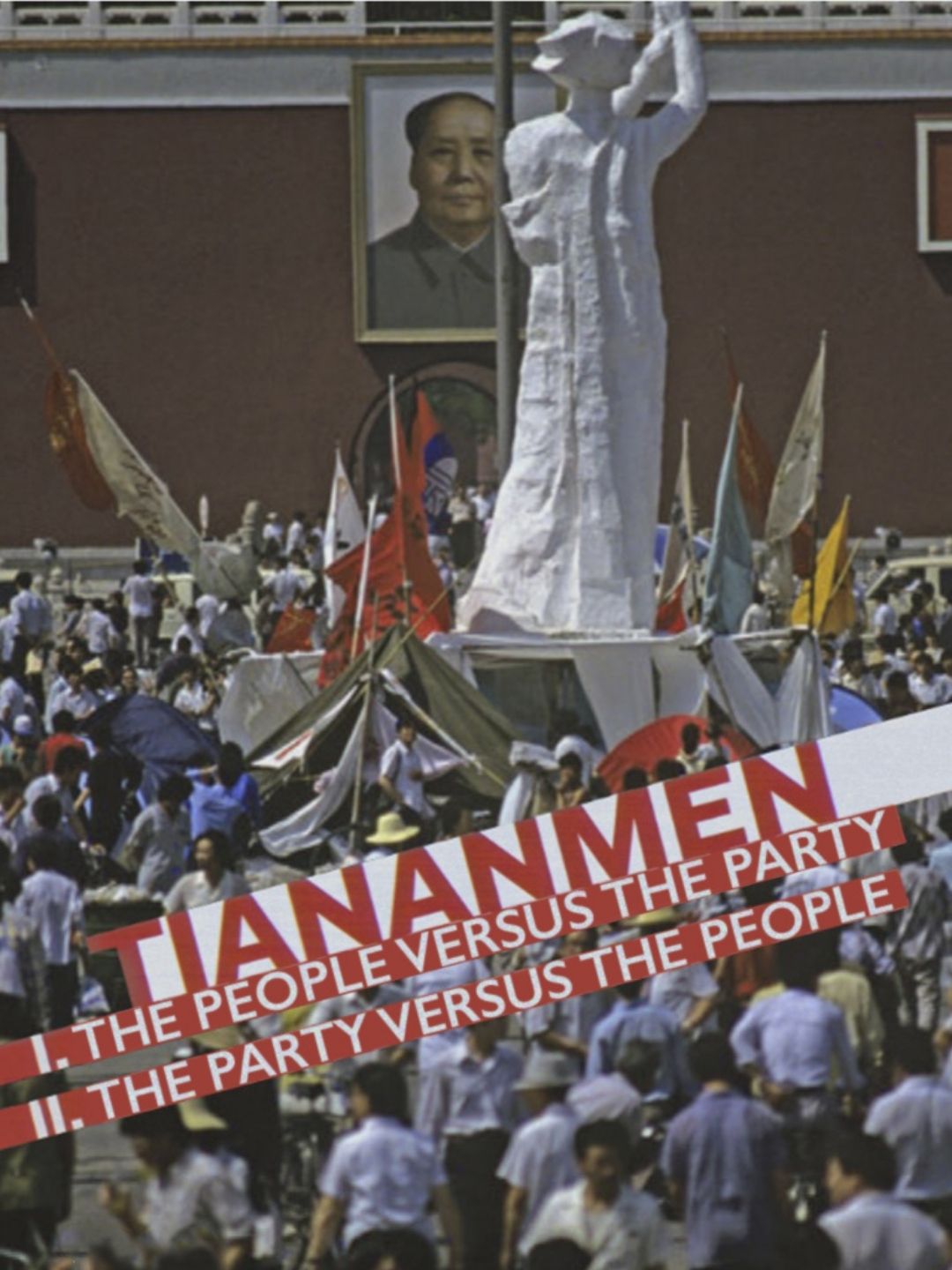
Under the cobblestones, the blood. Chilling and instructive, this documentary tells the story of how, thirty years ago, the Chinese regime suppressed a peaceful student movement demanding greater freedom. - Le Figaro

 French
  English