
A Forest to Eat
Written and directed by Valérie Manns
Edible forests, a solution to climate change? Fabrice Desjours grows regenerative forests where everything that grows can be eaten.
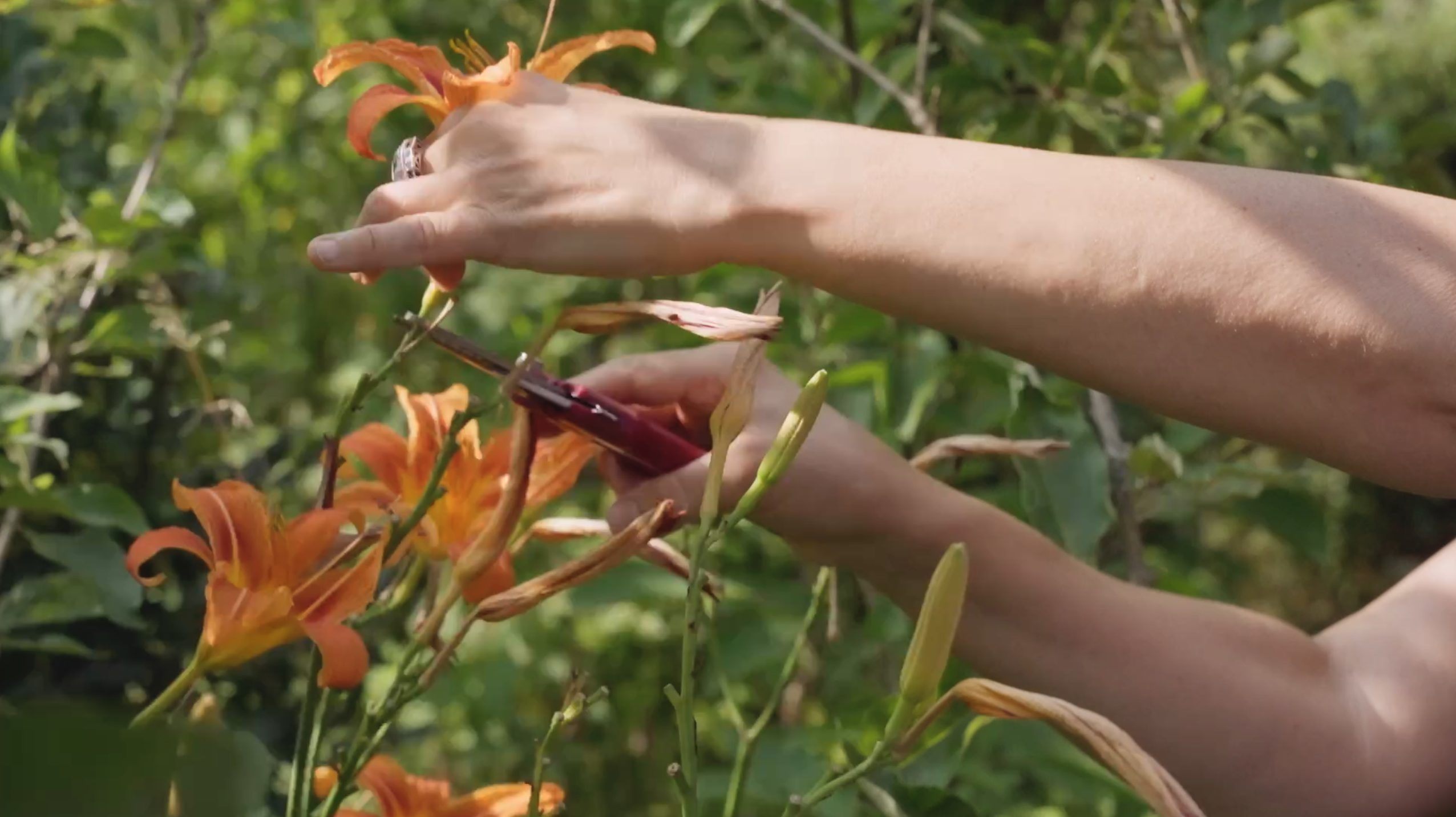
What if a forest held the key to fighting climate change? Fifteen years ago, in Burgundy, Fabrice Desjours launched a silent revolution: planting forests that feed people.
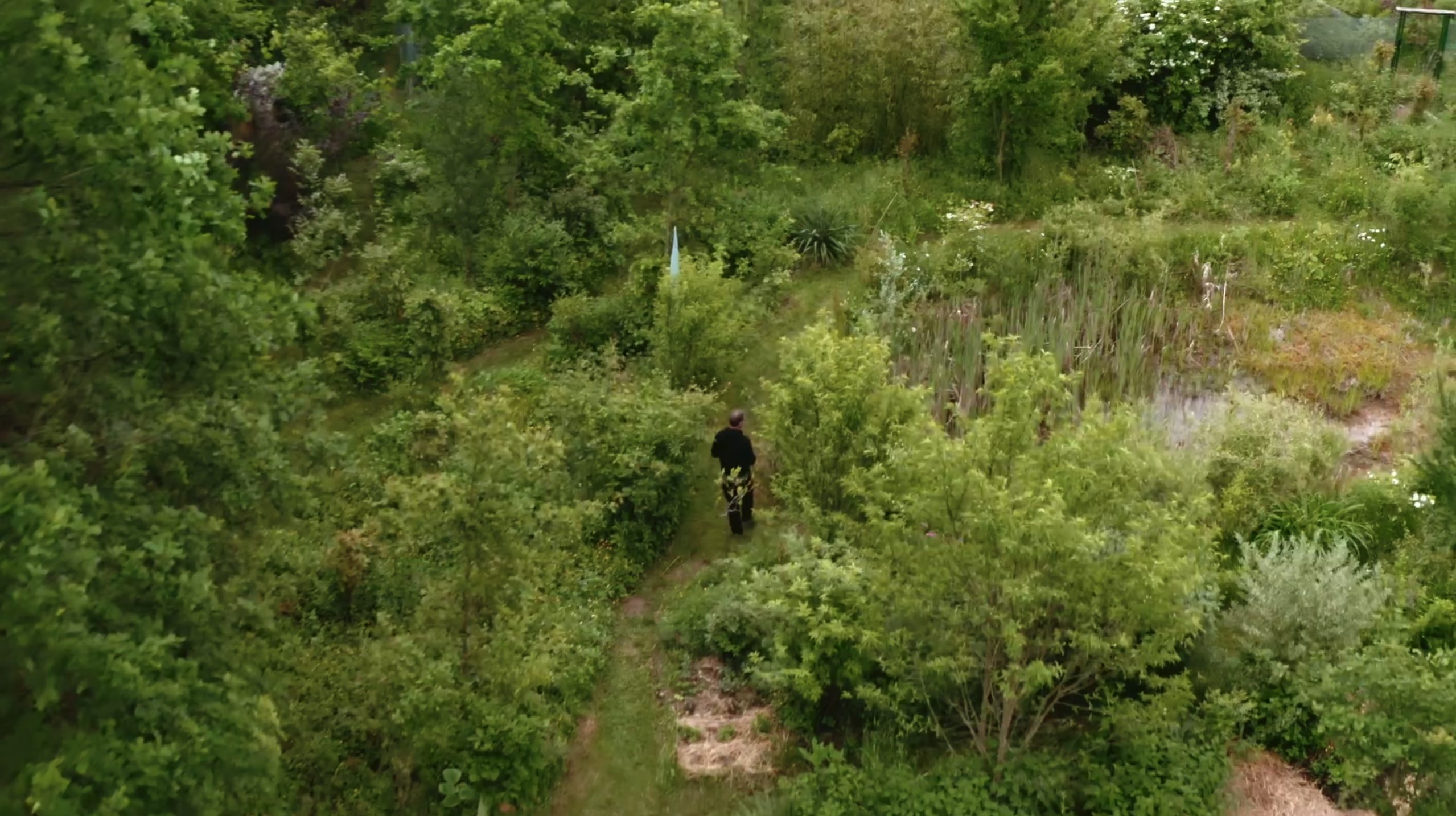
Over the years, he transforms an infertile pasture into a greedy forest of prodigious density. This forest can store more carbon, feed people and animals, decontaminate soils, generate rainfall, encourage the return of biodiversity - in short, solve many of the problems caused by climate change.
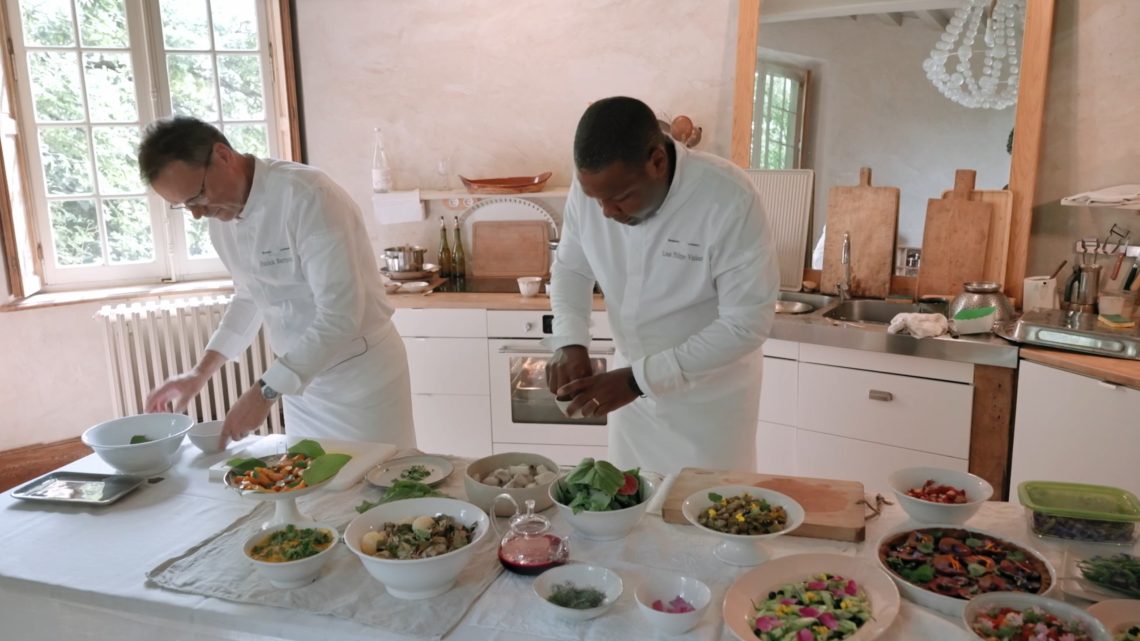
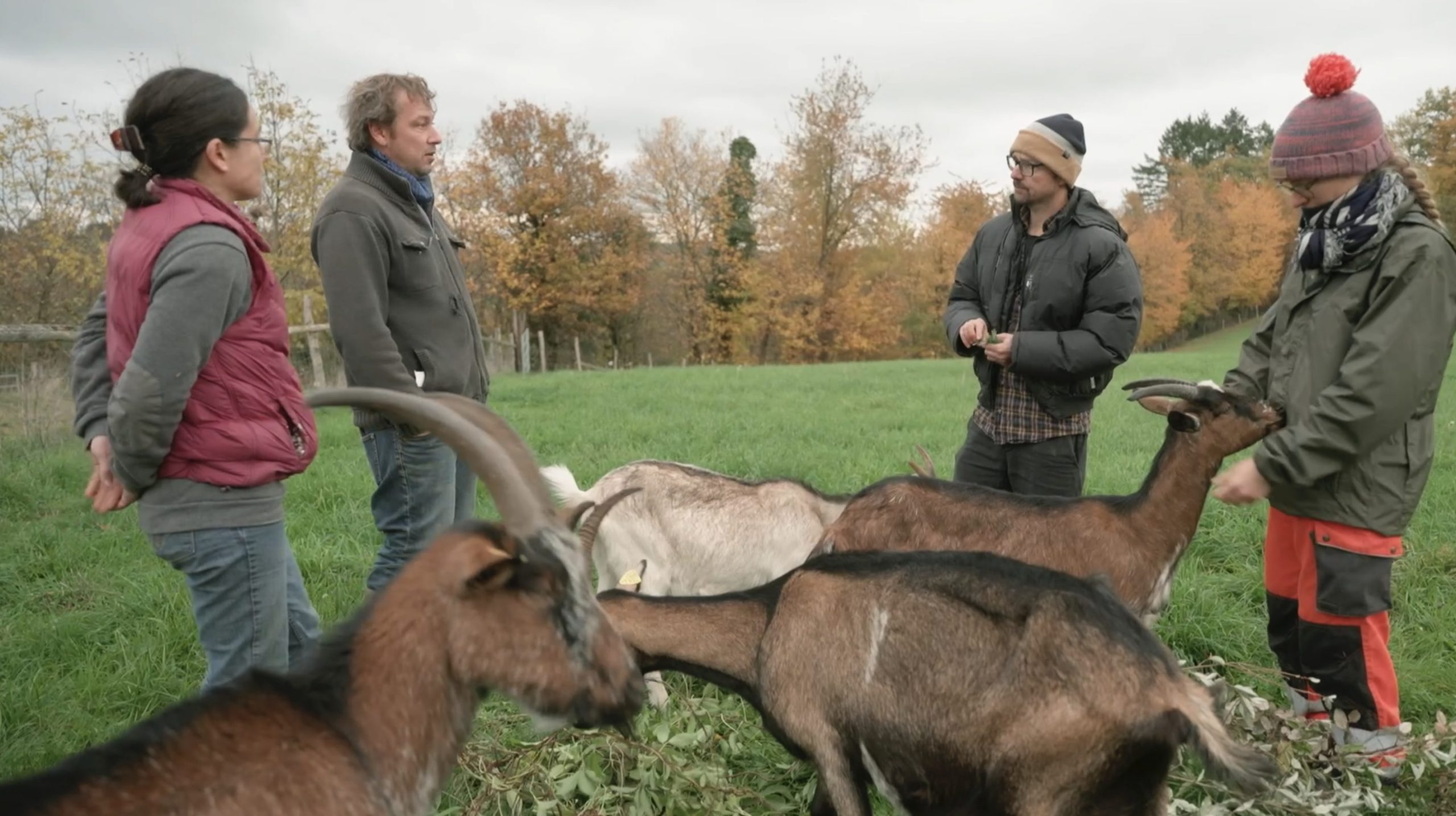
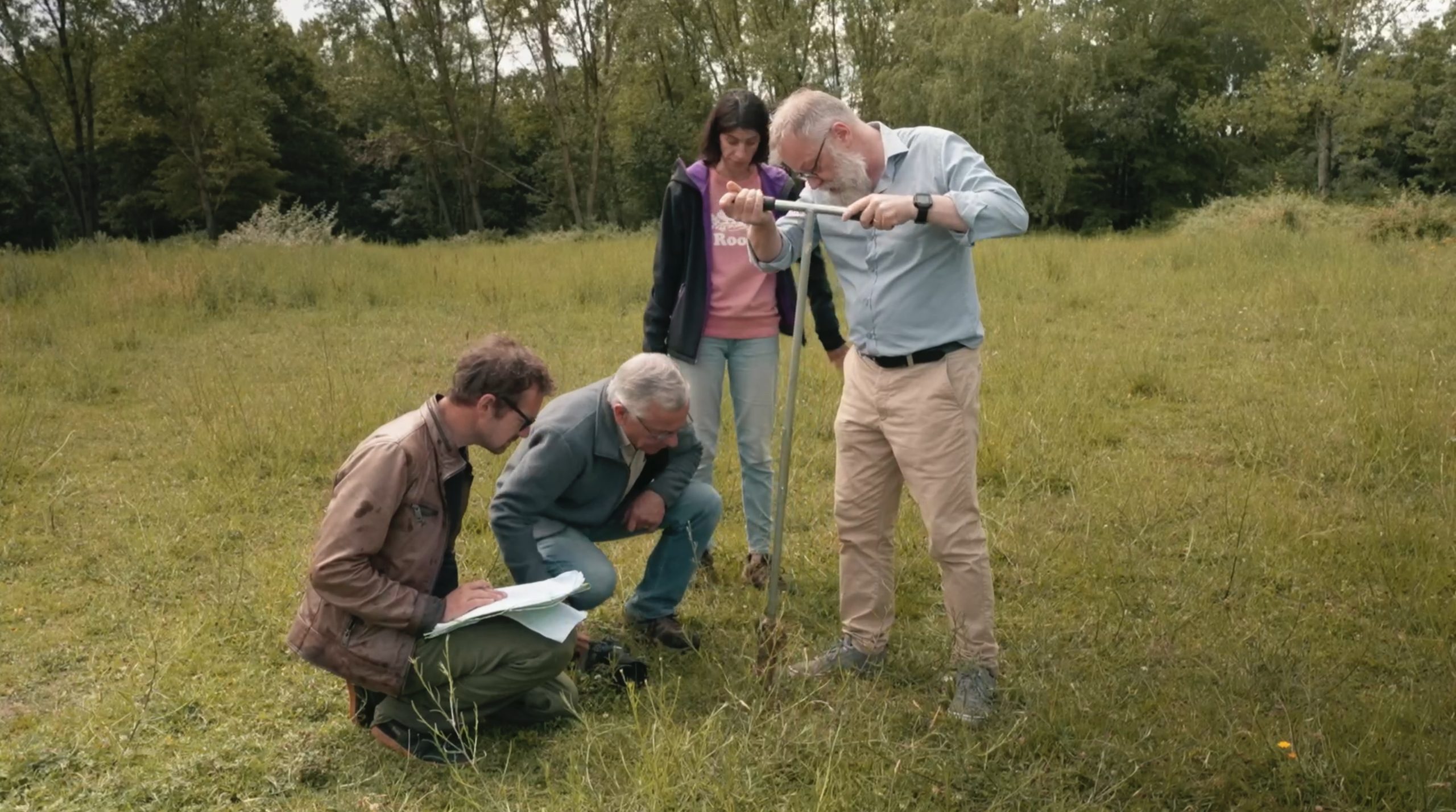
With the help of scientists and chefs, Fabrice convinces farmers, citizens, businesses and public authorities that a new art of living and producing is possible. We follow Fabrice Desjours and his collective as they carry out their transformation projects: in the heart of the prestigious vineyards of Château de Meursault, in a goat farm in Saône-et-Loire, in a public garden in the Paris suburbs, or in Uckange in Moselle, a country ravaged by iron and steel pollution.
Directed by: Valérie Manns
Written by: Valérie Manns
Production: YAMI 2 - Christophe Nick
Broadcaster: France Télévisions
Year of release: 2023
Duration: 52 min
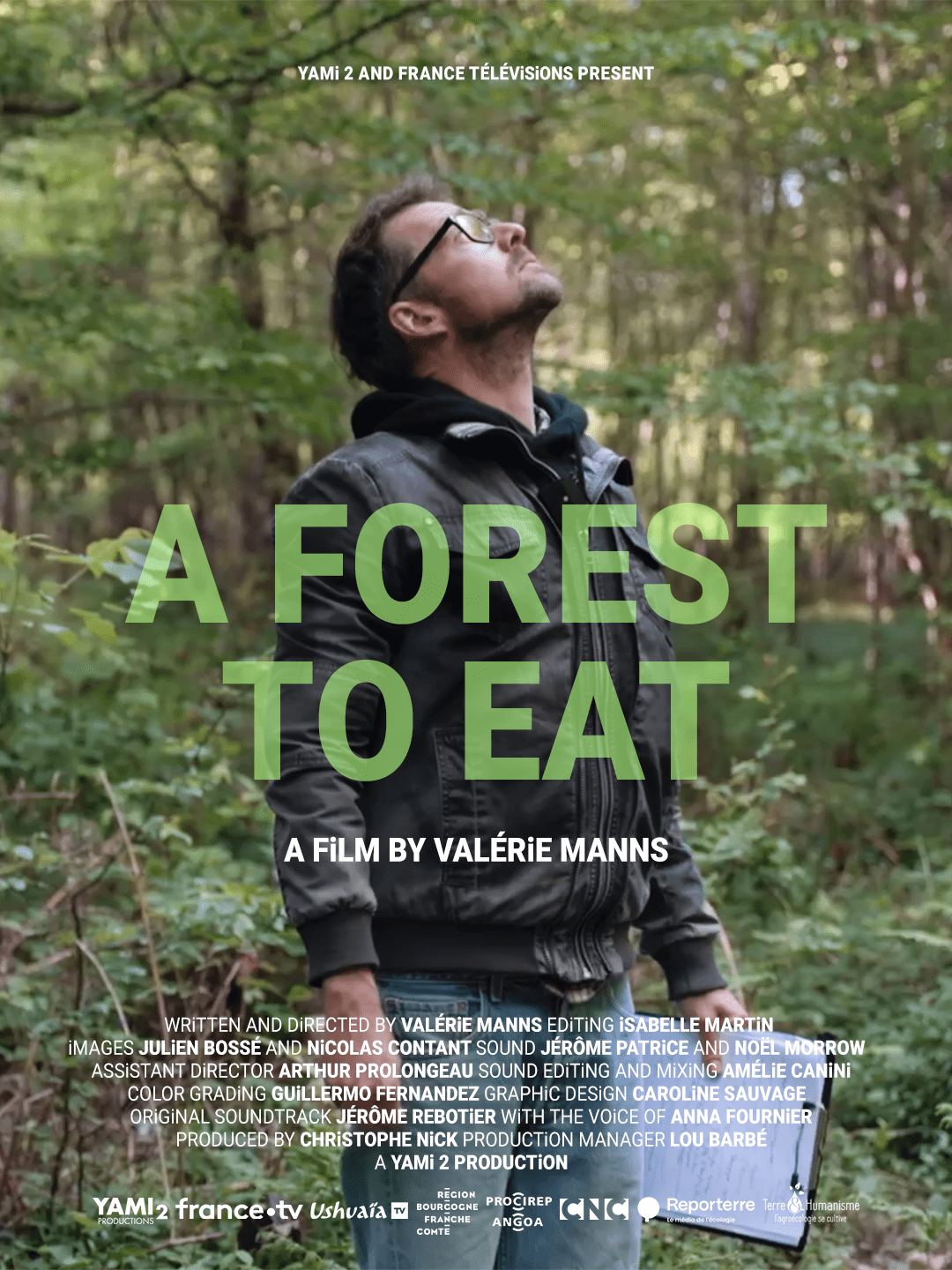
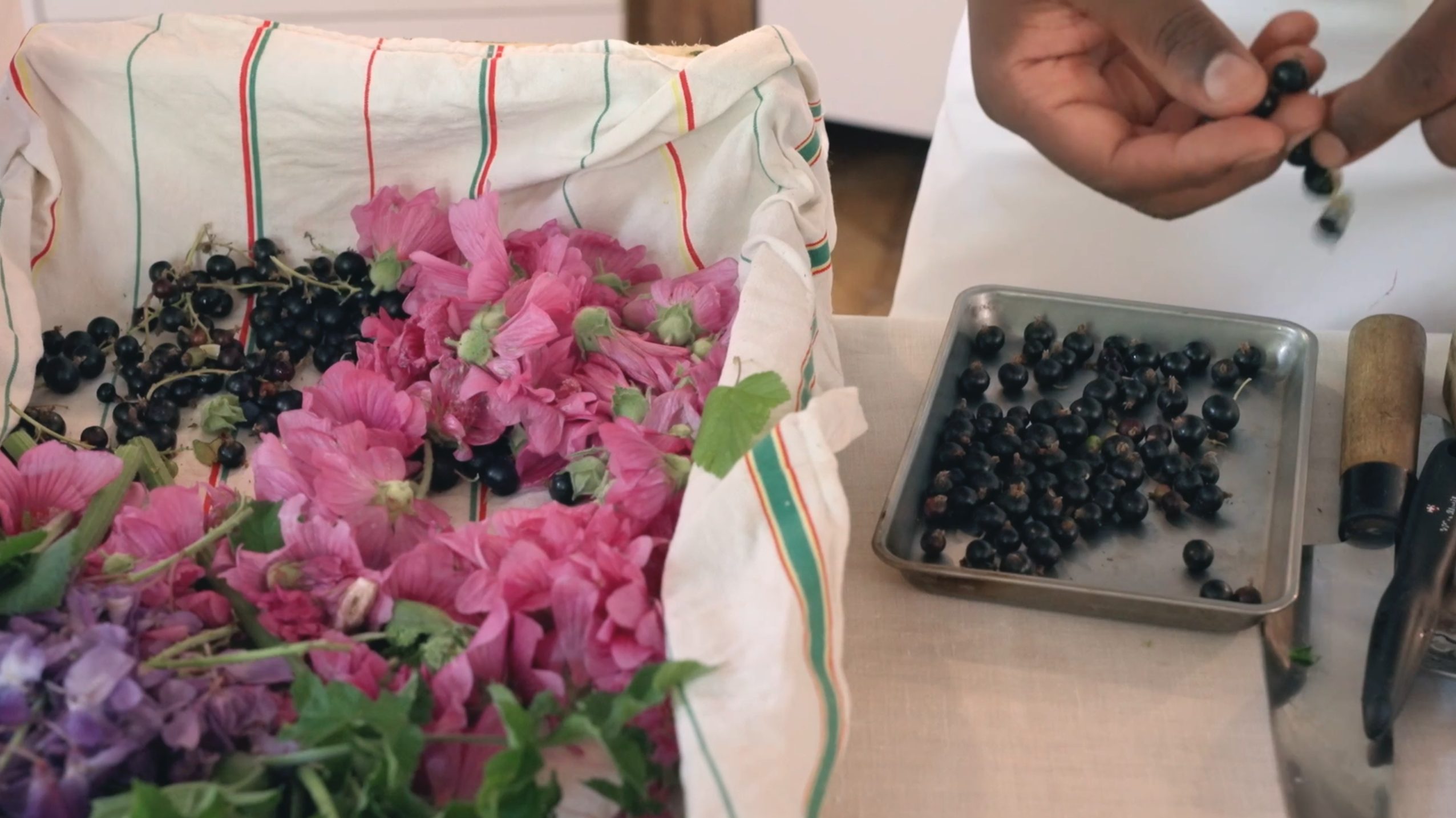
In Burgundy, a nurse-turned-gardener has been pampering a majestic forest for fifteen years. Its fruits (including apples with astonishing red flesh), leaves, flowers and even its roots: everything here is fit to munch on. An agricultural model wiped out by the industrial revolution and the triumph of monocultures that Fabrice Desjours, pioneer of the edible forest, is fighting to bring back into fashion. - Télérama.fr
Through the portrait of this utopian who works with his hands in the earth, the documentary sheds light on his commitment. We follow him and his collective to Uckange, in Moselle, where the soil is contaminated by iron and steel pollution; to Burgundy, in the prestigious vineyards of Château de Meursault, where efforts are being made to adapt to global warming; and to farmers in Saône-et-Loire who would like to develop his model. - L'Obs

 French
  English