
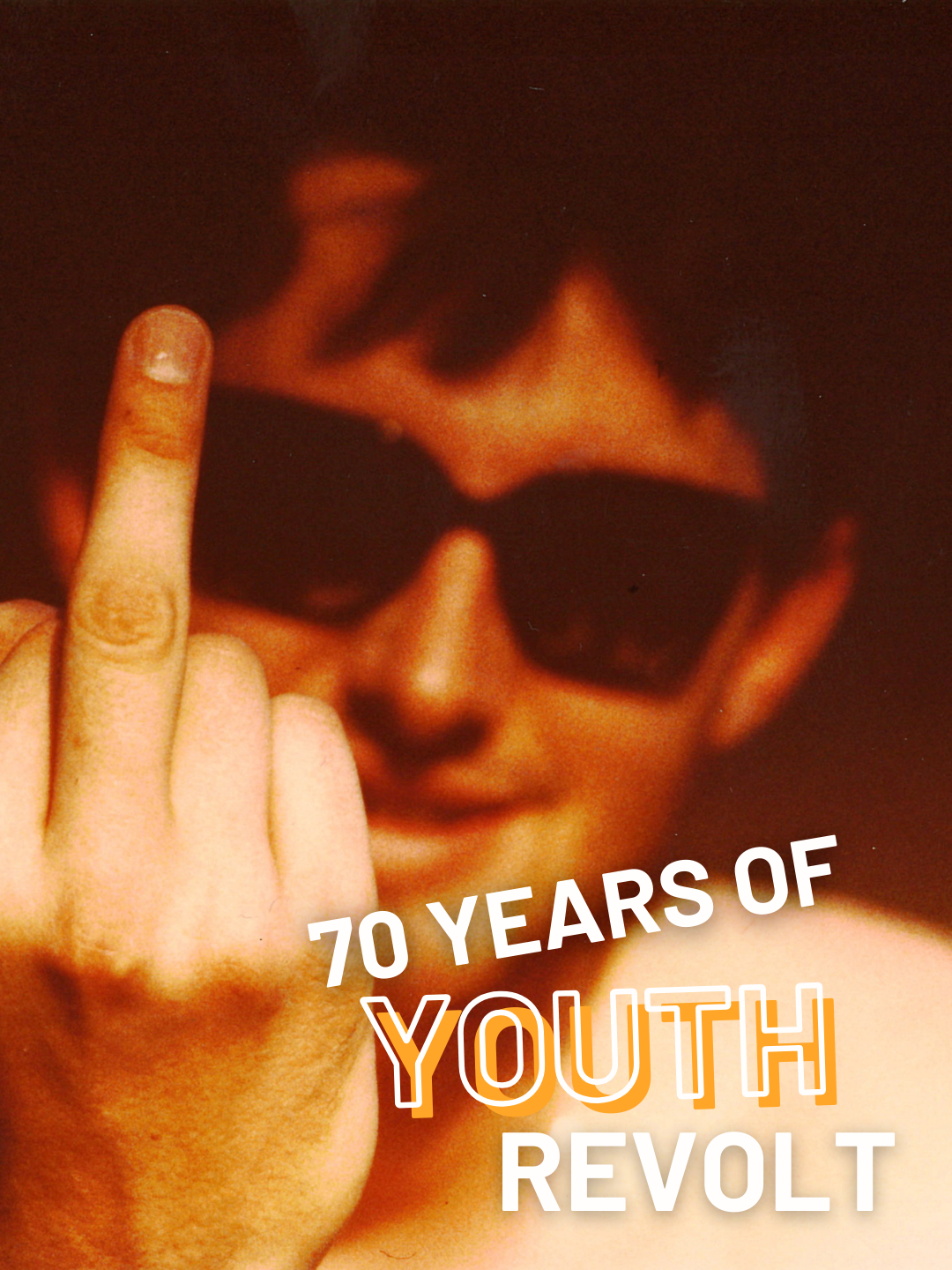
70 years of youth revolt
1949-2020
Directed by Aurélien Guégan
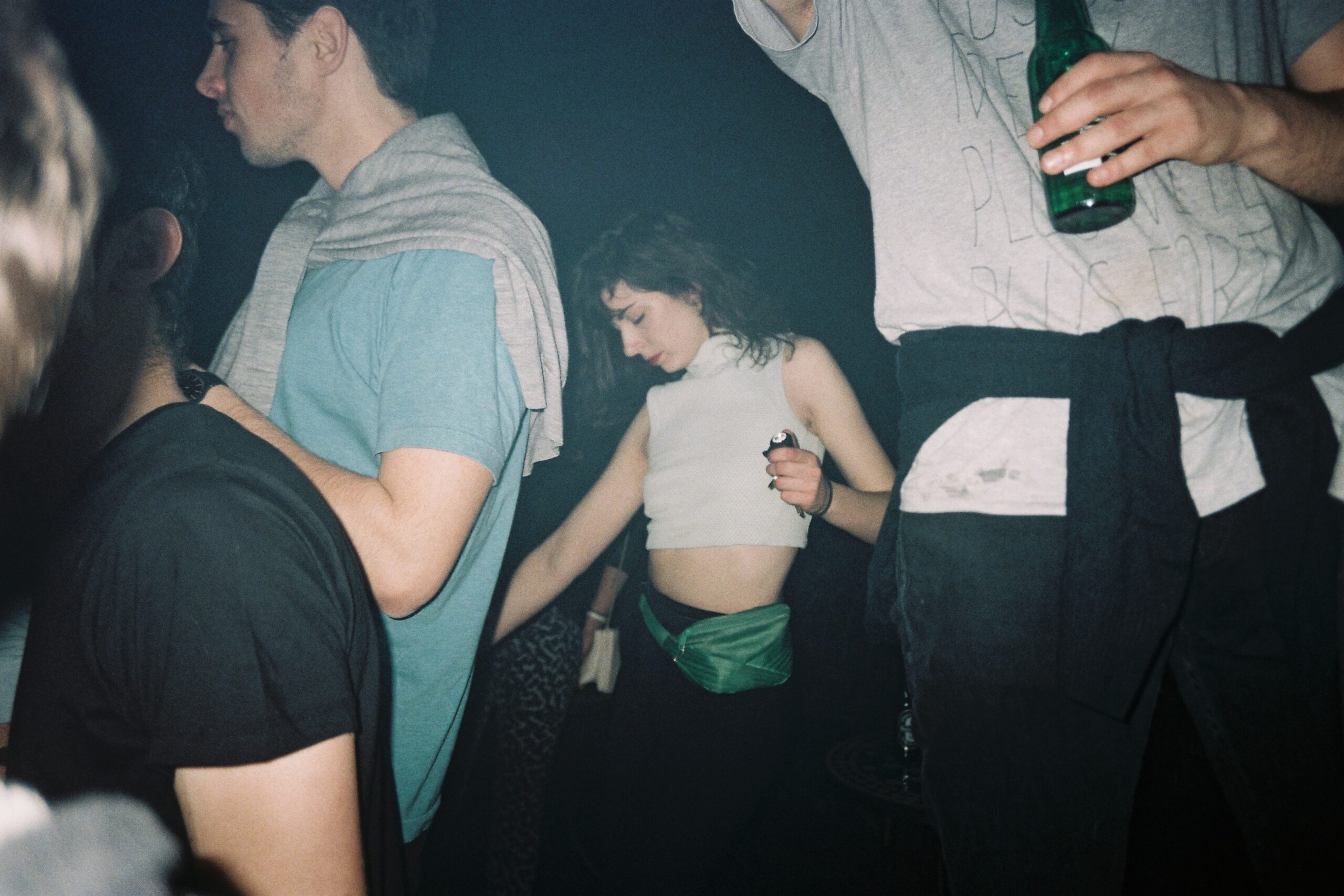
From the 1950s to the present day, each generation has initiated its own cultural revolution. How do today's youthful cultural movements resonate with those of the past? Set to an eclectic, electric soundtrack - from 1950s jazz to 2000s rap, via funk, disco, rock'n'roll and techno - Marie Durrieu and Aurélien Guégan paint an edgy, refreshing portrait of youth revolts across the ages, from cinema to music to literature. Using archive footage, the documentary tells a story of disobedience between idealism and rebellion, an ode to the fury of life.
Part 1 - From 1949 to 1975
In post-war Paris, the jazz clubs of Saint-Germain-des-Prés became a haven for freedom-loving youth. Outside this privileged island, the malaise of middle-class youth was embodied for the first time on film in "Rebel Without a Cause", starring James Dean, propelled to the rank of teen idol.
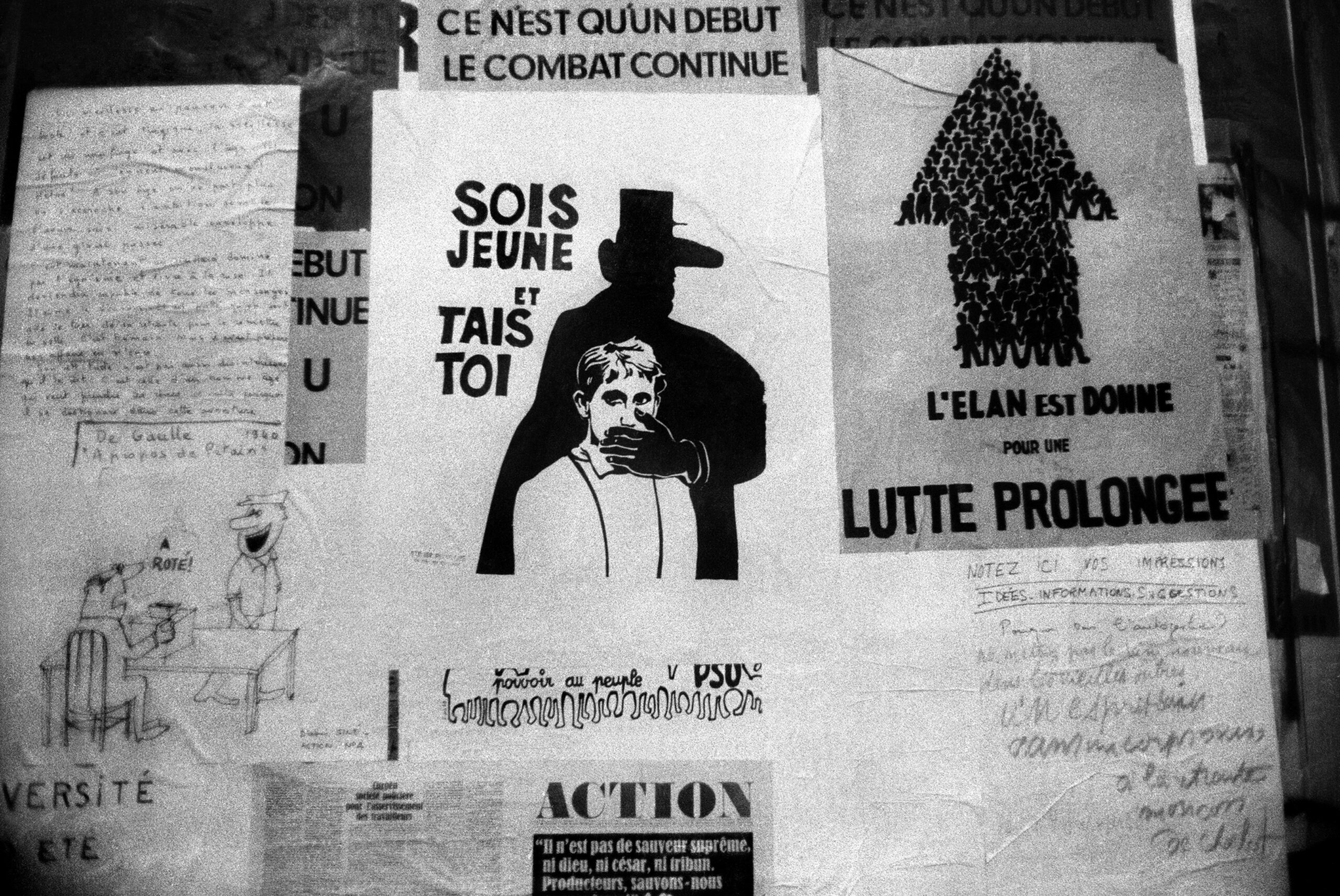
In the mid-1960s, ten years after the arrival of rock'n'roll, the Britpop wave, from the Who to the Rolling Stones, exorcised the frustrations of youth. In France, independent cinema, led by Truffaut, reinvented roles for young women, while in the Netherlands the Provos collective created the happening and became passionate about ecology. From the hippie movement to the emergence of black pride and the rise of revolutionary anti-capitalist cinema, counter-culture accompanied global rebellion against the backdrop of the Vietnam War.
Throughout the 1970s, the irrigation of revolt fed creativity, David Bowie raised the question of multiple identities, the women's movement challenged male domination, disco liberated bodies and launched LGBT culture. The onset of mass unemployment seemed to sound the death knell of hope. The punks blew it all up: no future!
Part 2 - From 1976 to today
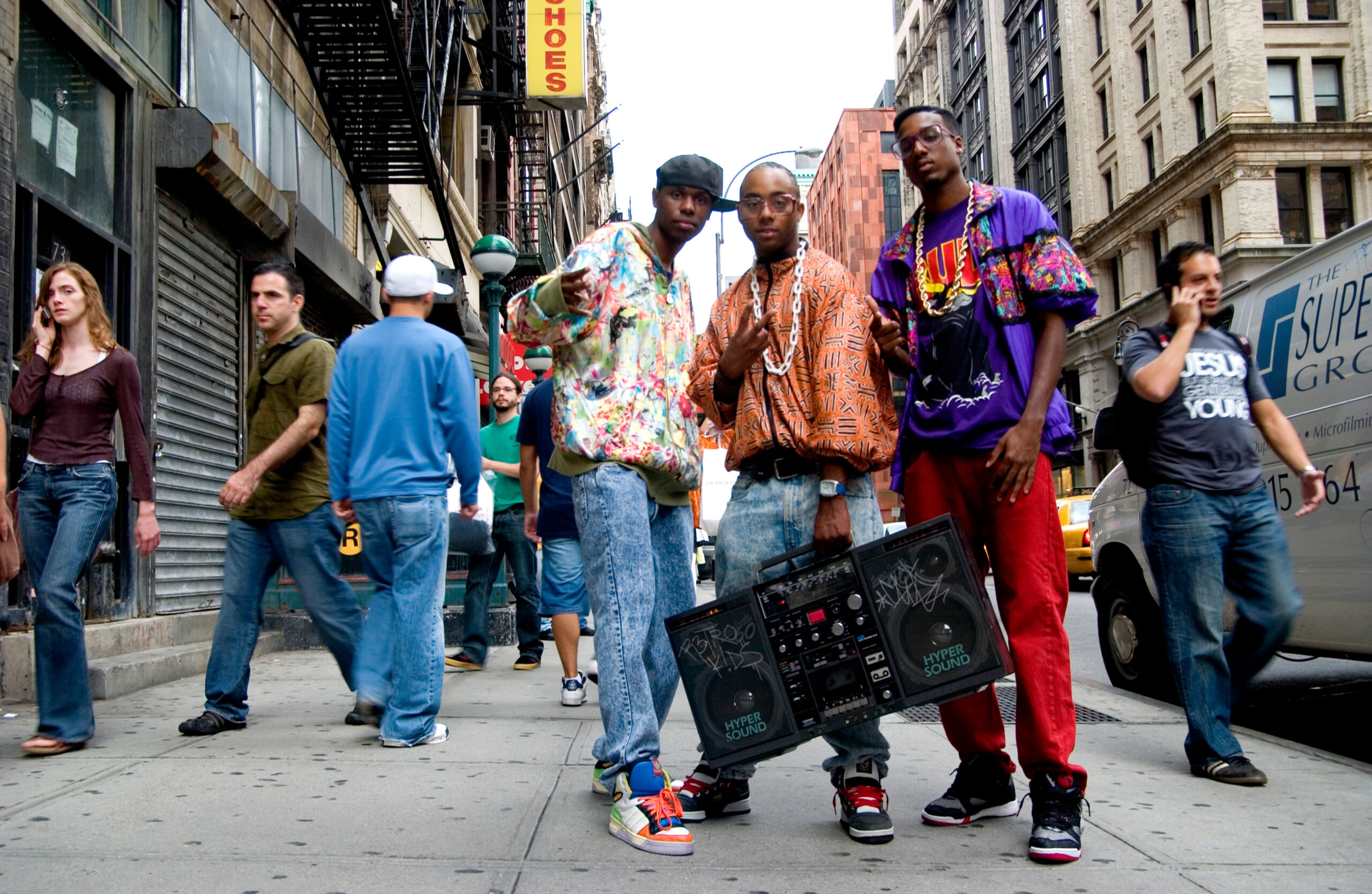
At the dawn of the 1980s, in London, the Clash urged punks to join forces with young Jamaican immigrants and reggae fans to put an end to discrimination and injustice. In France, in 1983, the March for Equality and Against Racism united an entire generation. But by the early 1990s, it was clear that there was a widening gap between the youth of the ghettos and the youth of the rest of the world. Hip hop from the USA became the voice of the suburbs, while some invented their own dream world with techno and rave parties.
With the explosion of the Internet and social networks in the 2000s, young people transformed their relationship with artists and renewed their forms of political and social protest. From the computer and cell phone to the street, new creative forms are accompanying anger, from Eastern Europe to the Arab world: young people are bringing down dictatorships.
These struggles are embodied in today's uprisings: the climate, LGBT, #MeToo and «Black Lives Matter» movements bring to the fore sensitivities that touch every generation. Seventy years of ruptures, cries and transgressions that take us back to our own youth.
Directed by: Aurélien Guégan
Written by: Marie Durrieu and Aurélien Guégan
Production: YAMI 2 - Christophe Nick
Broadcaster: ARTE
Year of release: 2020
Duration: 2 x 52 min
High School Students' Award at the Musical Écran festival
With this ambitious film, which is not a historical film but a kind of visual and sound whirlwind that is sometimes messy but often moving, the Durrieu-Guégan tandem offers a deluge of archive images, short film extracts, video clips and, above all, a stunning soundtrack. - Le Monde

 French
  English